Summary: The World Cup's popularity comes from unpredictable upsets, inclusive temporary fandom, and unscript
Every four years, something strange happens. Office productivity dips. Strangers argue about tactics in grocery store lines. Flags appear on cars in countries you'd never expect. The World Cup doesn't just attract football fans—it pulls in people who couldn't name a single club player. Why?Because the tournament taps into something deeper than sport. It's a month-long global ritual where identity, drama, and shared emotion collide.
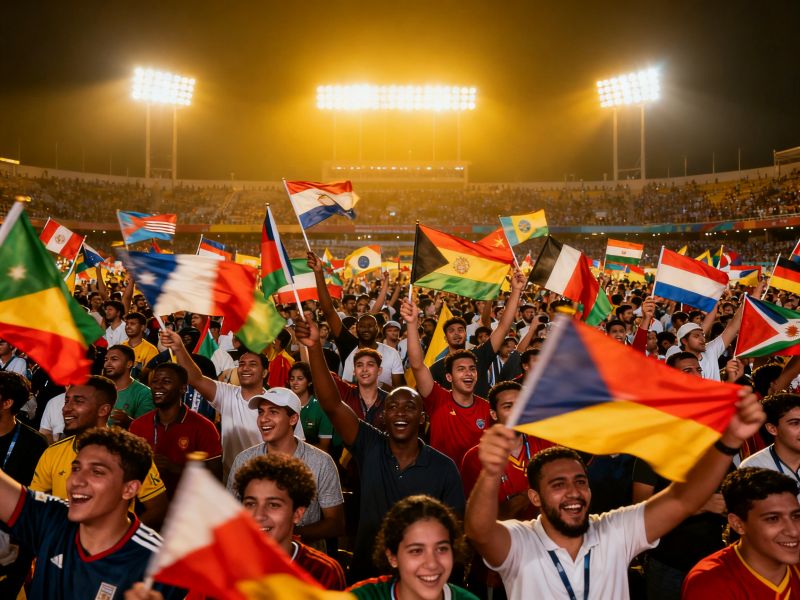
Take the 2018 match between Germany and South Korea. Germany, the defending champion, lost 2-0 and crashed out in the group stage. I watched that game in a packed Berlin bar. Silence, then disbelief。then a weird collective shrug. Nobody predicted it. That unpredictability is the engine. The World Cup compresses years of football narrative into 64 games over 32 days. Upsets happen fast, and every fan—casual or hardcore—feels the whiplash. Why is the World Cup so popular?Because it delivers pure, uncut uncertainty on a schedule. You don't need to follow a league for nine months. You just show up, pick a side, and get swept along.Nationalism plays a role, but not the ugly kind. It's the harmless tribalism of waving a flag and hugging a stranger after a last-minute goal. In 2014, I met a Colombian family in a São Paulo fan zone. They had painted their faces yellow and were teaching Japanese tourists the goal celebration. That doesn't happen in club football. Club rivalries are tribal too, but they're local and inherited. World Cup fandom is chosen, temporary。and weirdly inclusive. You can root for Iceland one week and Senegal the next. The tournament gives you permission to be a fan without a lifetime contract.Another factor: the stories write themselves. Messi finally winning in 2022 after a career of near-misses. Croatia's run to the final in 2018 with a population smaller than some cities. Japan beating both Germany and Spain in 2022 with a squad that looked, on paper。outmatched. These aren't marketing stunts—they're real, unscripted, and they happen live. A friend who never watches football texted me during the Japan-Spain game: "I don't understand offside but I'm screaming." That's the pull. The World Cup doesn't require expertise. It requires presence.
Practical takeaway if you want to enjoy the next one: don't overthink it. Pick a team for emotional reasons—ancestry, a player you like, a cool jersey. Watch the group stage;that's where the chaos lives. Avoid the pundits who explain why every game is "tactically fascinating." Find a crowded bar or a public viewing. The noise matters. The World Cup is popular because it's the rare event that makes the whole planet pay attention to the same thing at the same time, and nobody has to pretend they know what a false nine is. That's not just sport—it's a shared excuse to feel something together.